
The House We Cannot Return To
Loss and memory in the ancestral badlands

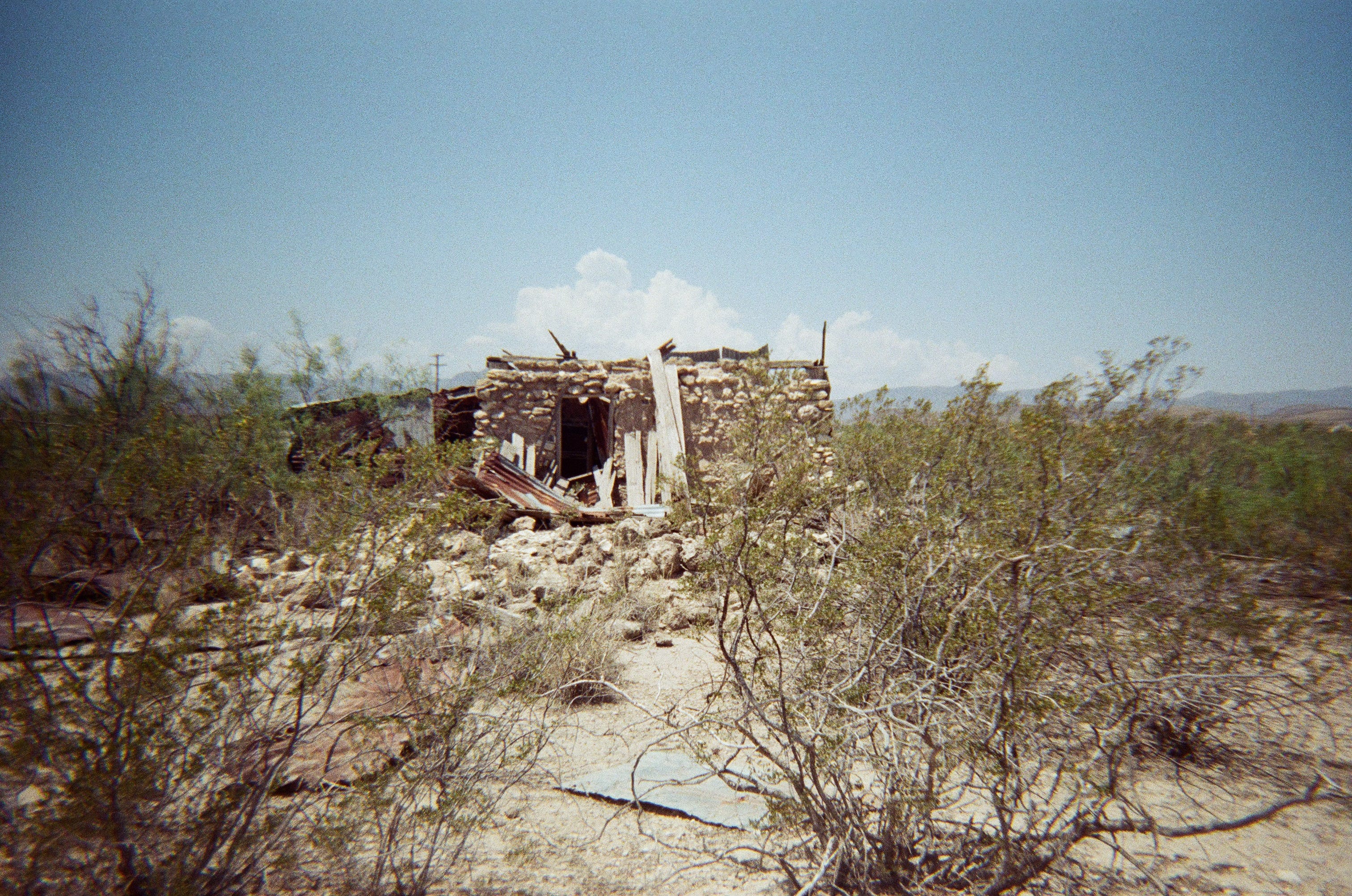
IV.
What lies waiting
in the house we cannot return to?
The one, I mean,
an ocean away
or on the other side of a river
now too high to ford
The one without a name
beyond badlands long since crossed
Before the Long Walk,
before the Drought,
before the ships and gold and
pale white horses,
there was a pueblo with little rooms
and a kiva, buried
in the belly of the Earth,
pregnant with history
murmured
in a language I do not know
Who sits, at the hearth
of the house I cannot return to?
Tending coals of a waning fire,
hungry for more tinder
And could she recognize a granddaughter
over five centuries removed?
Perhaps we’d share a nose
or high arching forehead
Perhaps our laugh is the same,
springing out of our chests
like yellow poppies
growing mirthfully from the desert floor
Perhaps she’d recoil at my face, and skin
the color of foreign sand
In my sleep, I retrace steps blindly
to the house I cannot return to
each time, waking,
just before I can open
the door
V.
My grandfather, the Medicine Man,
gave me once a Cross of copper
His last gift before disappearing
back into the wild from which he came
It has been so long, I cannot now recall
any words he ever spoke to me
Only his walking sticks, behind the door,
some wrapped in leather
some with beaded tassels
One had an eagle’s head
carved into the handle
(Or was it a snake’s?
Does it even matter?)
And the Geronimo poster in my dad’s garage
that as a child I confused for Grandpa
because of his brown skin
and hard, determined expression
Crazy, my uncles call him,
while my aunts lower their voices
before speaking his name,
whispering the syllables
so as to not invoke their curse
Grandpa says he’s an Indian, now
Ran off with the Apaches, now
Today, with no new pictures,
my first image of him is still Geronimo,
angry and
kneeling,
hand around his rifle
Isn’t it all the same?
We all yearn for the Fathers
who cannot take us back
VI.
I run into the desert
into the spiny embrace of
screwbean mesquite
out to the place where they will not find me
I will lose them across the river,
where the water is dancing and leaping
on its own escape
to meet the ocean
It, too, follows
no laws made by men
Let them give chase in the tangled live oaks
behind the curtains of white Spanish moss,
swaying, like ghosts
singing wrong directions
into the humid night air
Here I wear the prayers of my grandmother,
She-Who-Speaks-With-God,
who tells Him my name every night before sleeping
In her Under-world, I am safe
where no boot can trammel
without a Snake to bite it
My land will always
cover my tracks
If you made it to the end of this post, thank you sincerely for reading. If you are an original subscriber you may have noticed a change in the title of this publication. This was a decision made with much care and discernment, after looking back at my archive of articles, poetry, and essays I have since published since I first started this project.
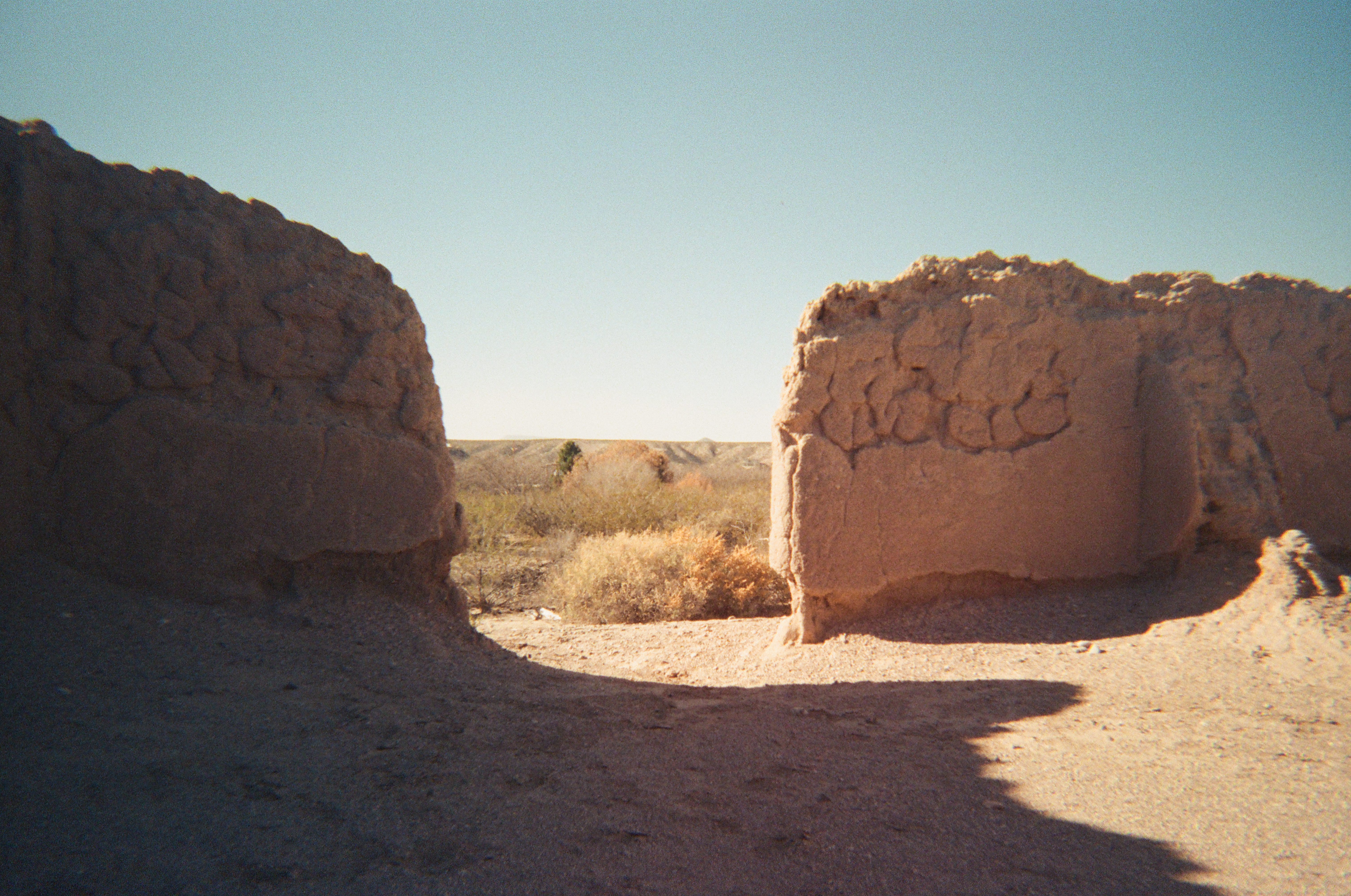
Malpaís is the Spanish word for badlands or bad country, usually used to refer to volcanic lava fields in the Southwest, and specifically the state of New Mexico. These landscapes were designated as “bad” because they were uncrossable or difficult to traverse for colonizers on horseback or on foot, who saw these rough, uneroded fields of basalt and volcanic material as death traps. Nevertheless, these same landscapes were often viewed by indigenous cultures as sacred, used for thousands of years as places of refuge and spiritual practice. Many of the places described as “badlands” remain undeveloped today, for the same reasons that protected them from colonial expansion all those centuries ago. After all this time, their ecosystems remain intact, their caves and crevices unreachable by most human exploration.
I view this publication now as my own sort of literary Malpaís. It is a place that follows no rhyme or reason, where my ideas about history, culture, and society can run wild in a way that defies the predictable navigability of a traditional newsletter. I write what is most needed for me to process what I am learning and thinking about, and it is my haven to explore ideas that I feel are important or timely for others to consider as well.
I still believe in the idea of hope moving in ripples, and indeed, all of my writing continues to be the ripple of hope I send out into the currents of the world. I still write with the goal to inspire you, dear reader, to make your own waves in whatever capacity speaks to you. But after giving myself some time to write what feels right to me, I think this name is more fitting for what I have created so far, and what I will likely continue creating. I believe it is in the unsettling, the uncertain, and the unpredictable that our best ideas emerge, and in giving myself permission to embrace this disorder, I hope that I encourage you also to traverse the landscapes which are at first difficult to tread only because they are different. I believe it is in these complicated, messy terrains that we find the power to disrupt systems of oppression, which rely on coerced uniformity and normalization to function. I invite you to join me in this new chapter, into the subversive geographies of El Malpaís, the badlands.
See you in the field.